The overall picture
Montenegro's Muslim population is concentrated in areas like Plav, Rožaje, Ulcinj and the Bay of Kotor region. The coastal tourist areas — Budva, Tivat, Herceg Novi — are primarily geared toward European tourists and have very few explicitly halal-certified restaurants.
That said, Montenegro is a seafood-heavy cuisine by default. Fish, vegetables, and grilled meats are staples. The challenge is mainly pork avoidance and alcohol proximity, not finding something edible.
Podgorica
The capital has the most reliable halal options. The old city neighbourhood (Stara Varoš) has several traditional Montenegrin Muslim restaurants where pork-free menus are standard. Turkish restaurants also operate here — the Turkish community has a strong presence in Podgorica.
If you're transiting through Podgorica, you can eat well without difficulty.
Budva and the tourist coast
Budva is aimed at a broad European market — the menus reflect this. Pork is everywhere: in grilled platters, in ćevapi mixes, in pasta sauces. Seafood restaurants are the safest option, and there are good ones. But finding a certified halal restaurant in Budva proper is genuinely difficult.
Some restaurants will adapt dishes on request. Turkish kebab stands appear in summer. But if halal food is important to you on a daily basis, Budva will involve daily navigation of menus.
Ulcinj
Ulcinj, in the south, is Montenegro's most Muslim-majority coastal town. Halal restaurants are easy to find here. The downside: Ulcinj's beaches, while good, are the furthest from central Montenegro and the major tourist sites (Kotor, Budva, Sveti Stefan).
Dobra Voda: the coast with a Turkish kitchen
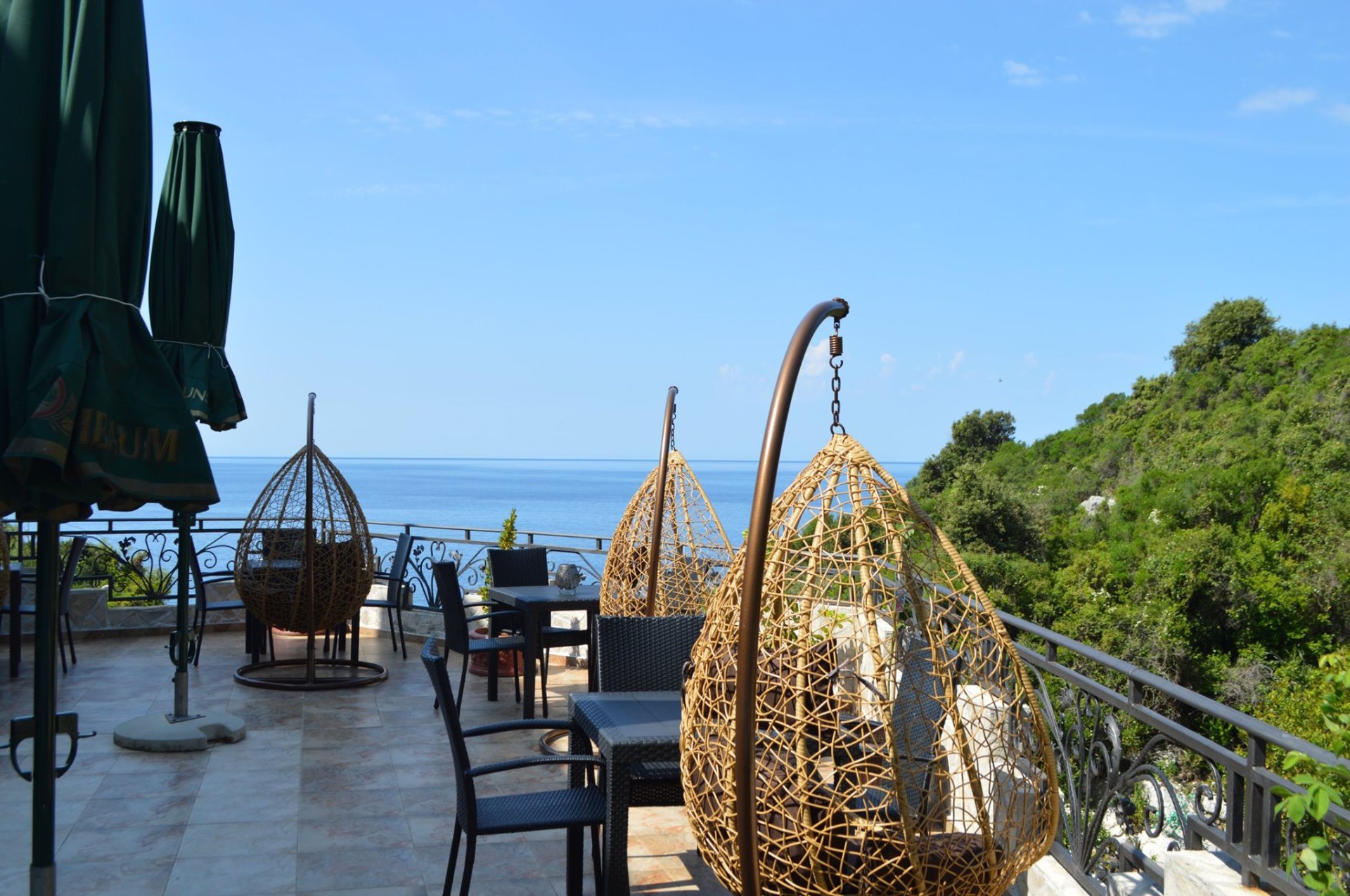
Azura Bay Hotel's restaurant is run by a chef with 15 years' experience in Istanbul. The menu is halal: Adana kebab (halal beef), grilled sea bass, fresh mezze, and Turkish desserts. It is the only Turkish restaurant on this stretch of the Adriatic coast.
The restaurant is open to non-guests too. Hotel guests have priority seating; tables are recommended in July–August.
What's on the menu at Azura Bay
- Adana Kebab — halal beef mince, char-grilled, served with lavash and roasted peppers
- Balık Buğlama — steamed fresh fish with olive oil, tomatoes and herbs (catch varies daily)
- Meyhane Meze — vegetarian selection: hummus, cacık, stuffed vine leaves, roasted aubergine
- Mercimek Çorbası — Turkish red lentil soup (excellent, and the safest airport-day meal you'll find)
- Baklava — made to recipe, not bought in. Worth the €6.
No pork on the menu. Alcohol is available for guests who want it but not present in food preparation.
Practical tips for halal travellers in Montenegro
- Seafood is your friend. Montenegro is on the Adriatic — fresh fish restaurants are everywhere and pose no halal issues.
- Say "bez svinjetine" (bez svinjeti-ne) — "without pork" in Montenegrin/Serbian. Most waiters will understand.
- Ćevapi can contain pork. The standard Montenegrin ćevapi mix includes both beef and pork. Always ask.
- Supermarkets have Turkish imports. Bar city (12 km from Dobra Voda) has a supermarket with Turkish halal products.
- Ulcinj if you want guaranteed halal options at every meal without asking — but it's a longer drive from Kotor and the north.
Our recommendation for families: Base yourself at Azura Bay Hotel in Dobra Voda. Breakfast is included (halal-friendly options). Lunch is typically a seafood restaurant in Bar or at the hotel. Dinner at our Turkish kitchen. Day trips to Budva/Kotor give you the sights without requiring you to solve every meal.
The bottom line
Montenegro is not a halal-tourism destination in the way that Turkey or Malaysia is. But it is not hostile to halal travellers either. The sea, the mountains and the Old Towns are worth the minor extra planning.
Dobra Voda specifically has an advantage that no other coastal hotel can offer: a full Turkish kitchen 0 metres from the beach. If you haven't already looked at what we do here, it's worth a few minutes.